Health & Fitness
Saving on Water Bills and Landscape Maintenance
Property owners can save on water and maintenance cost by using native landscaping. Fall is the perfect time to start native plantings.
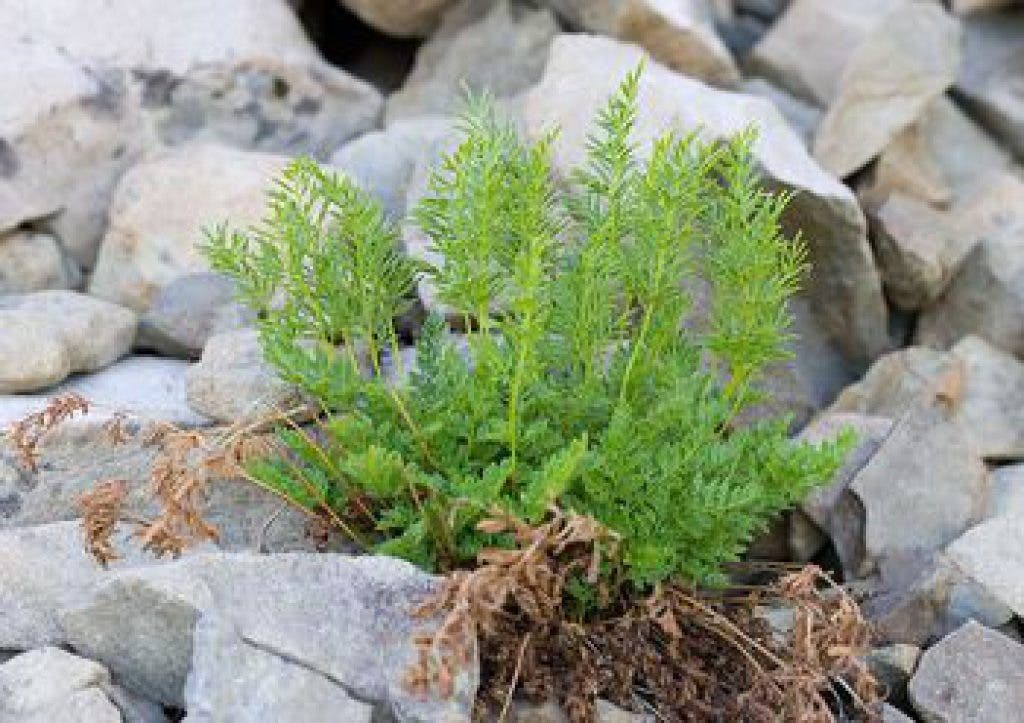
The beauty of native landscaping is that little or no maintenance or watering is required once plants have been well established.
Fall is the best time of year to replace existing landscaping with native plants. The promise of a wet winter means less watering of new plantings. For the first two years new plantings should be monitored and watered as needed.
Washington Native Plant Society has native plant lists for Western Washington gardens and restoration projects. Their site includes a link to Burke Museum photographic listing of native plants for easy identification.
Find out what's happening in Shoreline-Lake Forest Parkwith free, real-time updates from Patch.
The Washington Native Plant Society site includes a hand out for "Landscaping Ideas for the Environment" and a listing for seed and plant sources.
Want to cut down on the amount of labor required to replace grassy areas with native plants? Cover the grassy area you want to replace with cardboard and eight inches of wood chips. If you have a large area to cover and are in no hurry to get started call up your local tree service providers.
Find out what's happening in Shoreline-Lake Forest Parkwith free, real-time updates from Patch.
Tree service providers have to pay to dispose of woody debris obtained from cutting down and chipping trees. They are more than willing to drop off a full load (5 to 10 cubic yards) of wood chips at no charge if you are located near to where they have to work that day. Most tree service providers keep a listing of people interested in receiving wood chips and willing to take them on fairly short notice.
Some things to keep in mind: If you have a grassy area next to an area you have covered with wood chips the grass along the edge will display vigorous growth. It is a good idea to either remove about six inches of turf around the perimeter of the wood chip area or extend the wood chip area to a non-planted area to prevent the grass from growing into the covered area.
When planting in an area that is covered with wood chips some plants such as trees will need to have the wood chips pushed back away from the trunk of the tree a few inches. Wood chips should not be more than 2-4" around the base of trees. "Trees are Good" published some guidelines with regard to mulching around trees.
Do not mix the wood chips into the soil. It takes a lot of nitrogen to break down the tough woody fiber,..nitrogen that you plants need. Leaving the wood chips on top of the soil helps to retain moisture and warmth. Over time the layer of wood chips breaks down and enriches the soil.
Do keep wood chips and any mulch material at least 24 inches away from the foundation of your building to prevent pests such as termites from entering the building.
Enjoy your new landscape and enjoy the savings in water and labor costs.
